


 Caixabank (Go to Home)
 Print page
25 October 2025, 09:00h
|
min read
CORPORATE
Comunidad Valenciana
CaixaBank Research detects uneven recovery in household spending and commercial activity one year after the DANA in Valencia
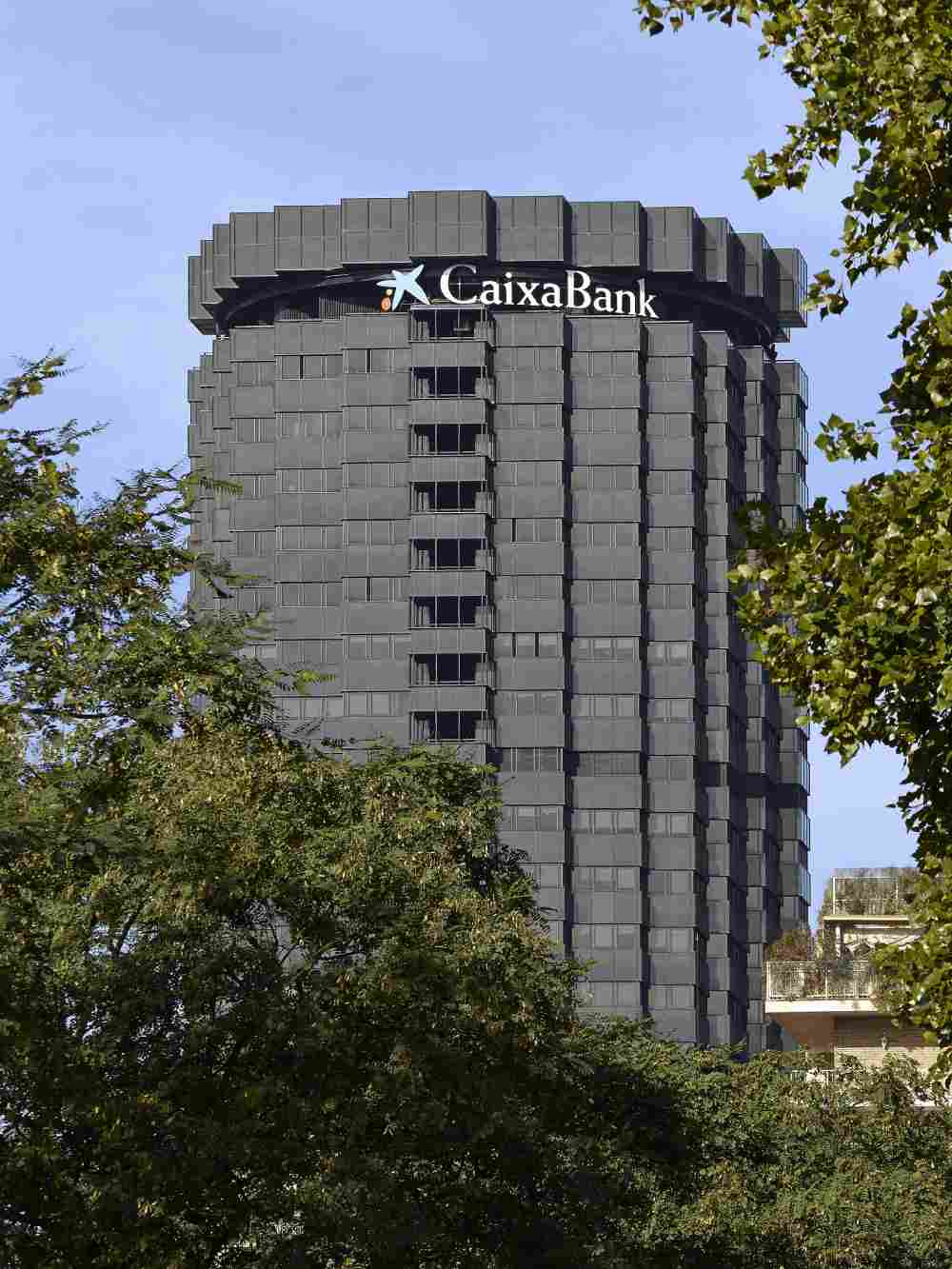
CaixaBank corporate headquarters in Barcelona
CaixaBank corporate headquarters in Barcelona
- Household spending in the ground zero area returned to normal levels one month after the tragedy, while commercial establishments took up to eight months to recover
- Internal data from CaixaBank reveals that lower-income individuals and small businesses are taking longer to bounce back
- Although there are more active businesses than before the episode, towns such as Alfafar, Massanassa, and Sedaví have yet to fully regain their previous levels, indicating that the effects of the DANA still linger
One year after the DANA that struck the province of Valencia, CaixaBank Research has closely monitored its impact and the subsequent recovery among families and businesses, identifying an uneven recovery depending on the municipality, company size, and socioeconomic profile. The analysis, based on aggregated and anonymized data from card payments and CaixaBank POS transactions, shows that resident consumption—which dropped by 47% in the days following the event (from October 30 to November 5)—rebounded quickly and was already above the national average one month later.
In the case of businesses in the ground zero area, the impact was more severe, with turnover plummeting by 83% in the week following the event. Moreover, it remained in negative territory for over six months and did not align with the pace observed in the rest of the country until eight months later.
The impact of the DANA was not uniform across affected municipalities, nor is the recovery. According to the CaixaBank Research study, which tracks changes in resident spending and commercial turnover by municipality, an increase in resident consumption does not necessarily translate into higher revenue for local establishments. For example, in Alfafar and Paiporta, resident consumption grew by more than 20% year-on-year in September, while local business turnover barely exceeded the previous year’s figures by 10%. This discrepancy is partly due to some businesses not resuming operations.
In fact, the area most affected by the DANA now has more active businesses than before the episode, although towns like Alfafar, Massanassa, and Sedaví have yet to fully recover their pre-DANA levels.
Income-level disparities
The analyzed data highlights inequality in recovery depending on the characteristics of those affected. Among residents, lower-income individuals suffered the greatest impact: their consumption fell by as much as 82%, compared to 40% among higher-income groups. Furthermore, between December 2024 and September 2025, consumption among low-income households rose by 12% year-on-year, below the 16% increase recorded among higher-income households, widening the consumption gap.
As for businesses, size has been a key factor. Large companies weathered the storm better: their turnover fell by 85% after the DANA but had recovered to previous levels by September 2025. In contrast, small businesses experienced a 98% drop and, one year later, their turnover remained more than 10% below the same period last year.


