Caixabank (Go to Home)
 Print page
30 March 2026, 10:00h
|
min read
SOCIAL COMMITMENT
National
CaixaBank and ILUNION launch an accessibility initiative for the entire service chain in tourist accommodation
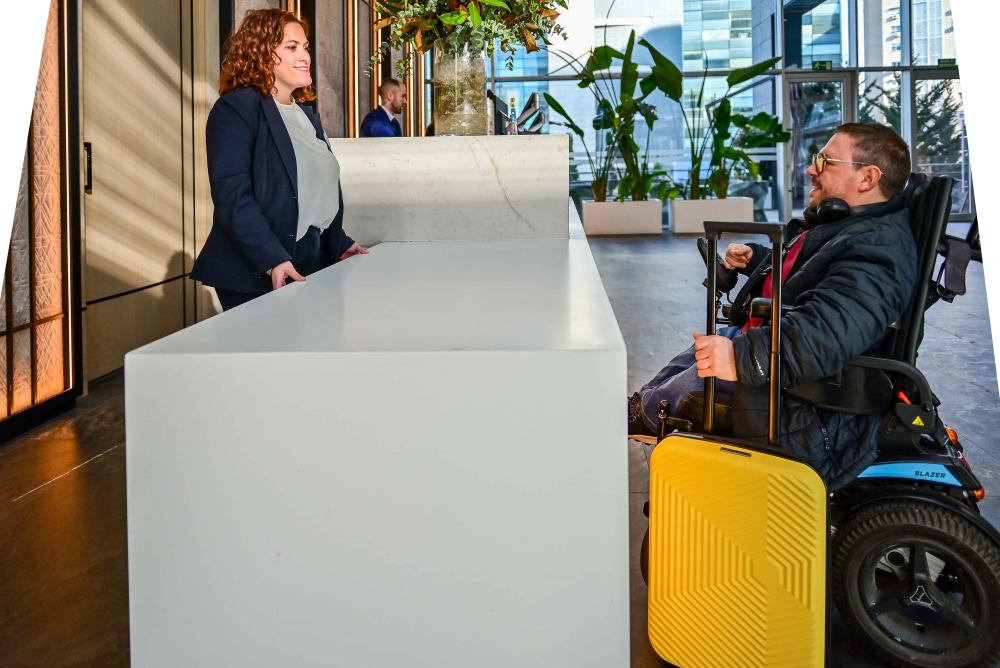
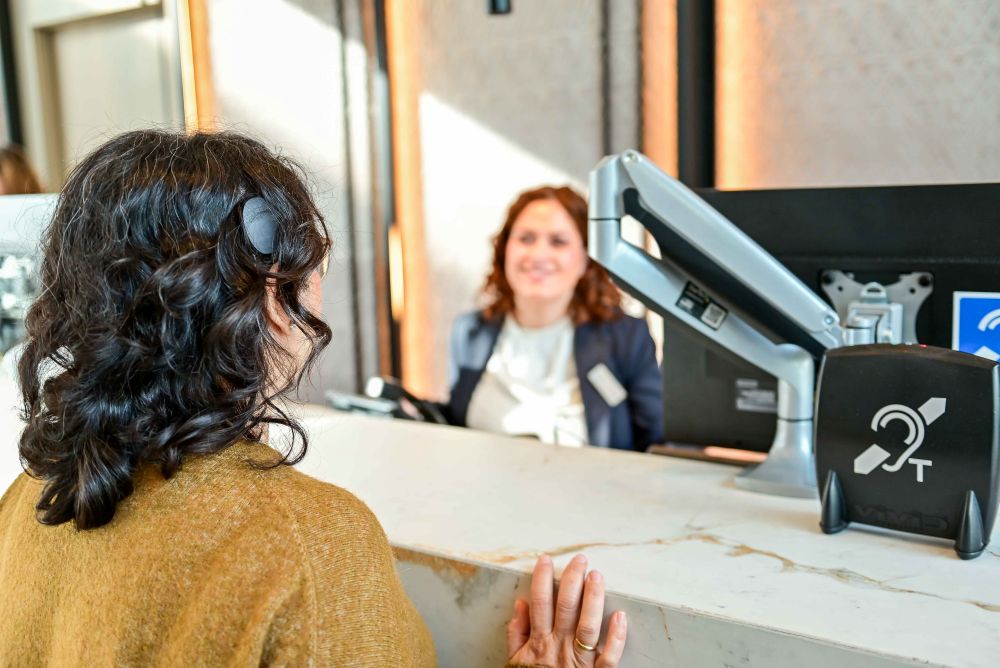
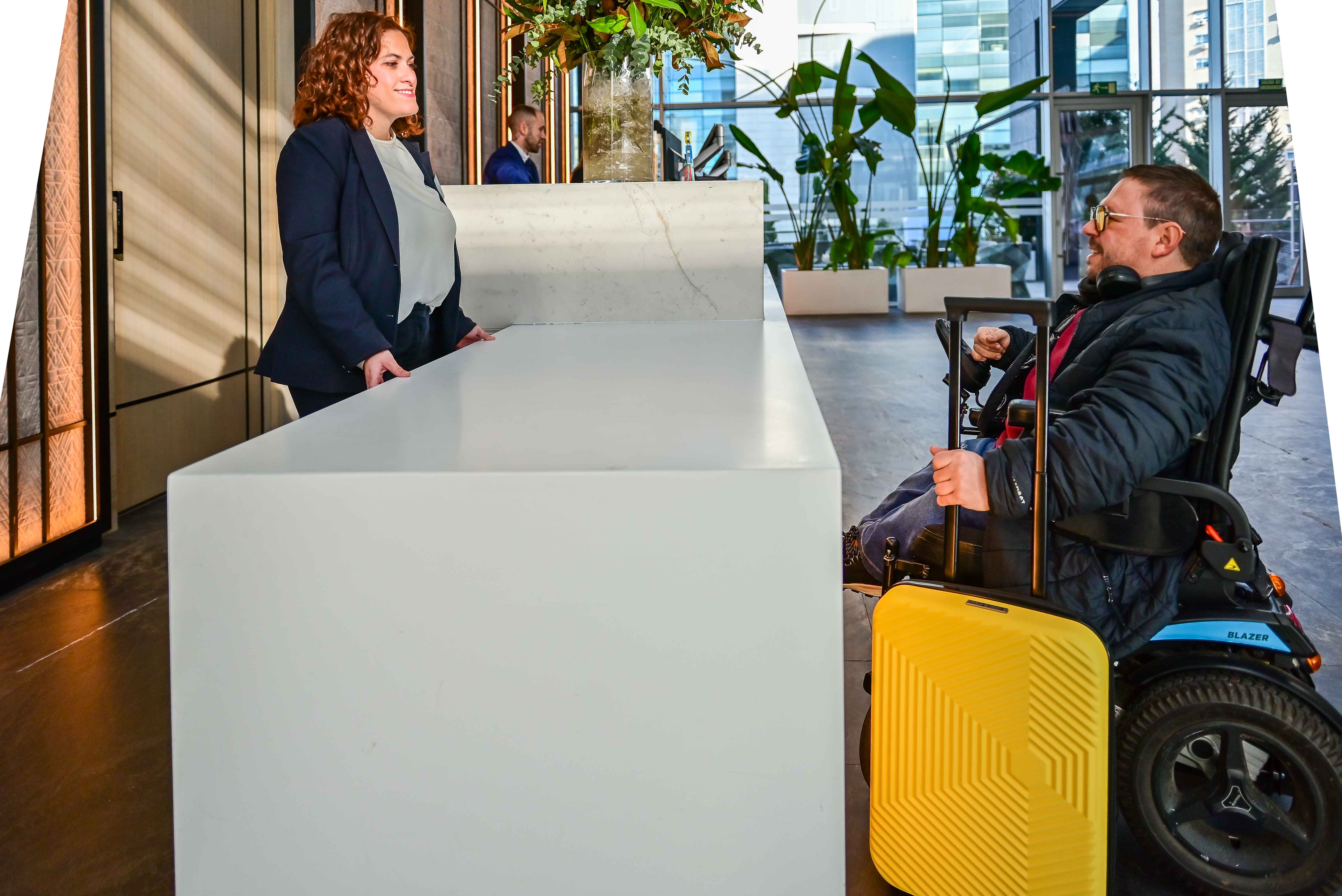
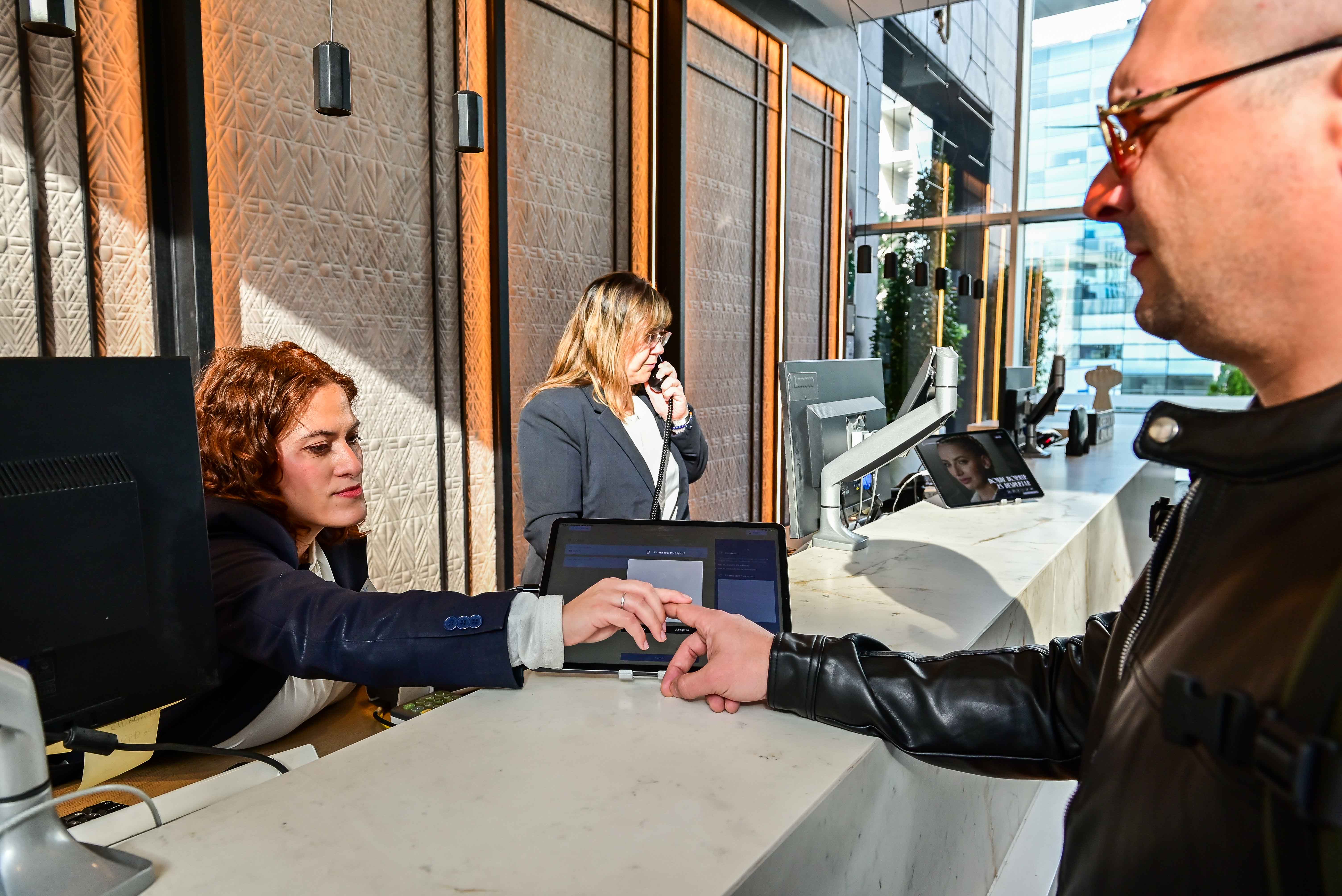
Photo of a reception adapted for people with reduced mobility.
Photo of a reception adapted for people with reduced mobility.
- They publish the first guide that provides a complete road map to transform hotels, tourist apartments, holiday cottages or hostals into benchmarks of inclusive tourism for disabled people or seniors, from booking online all the way to check-out
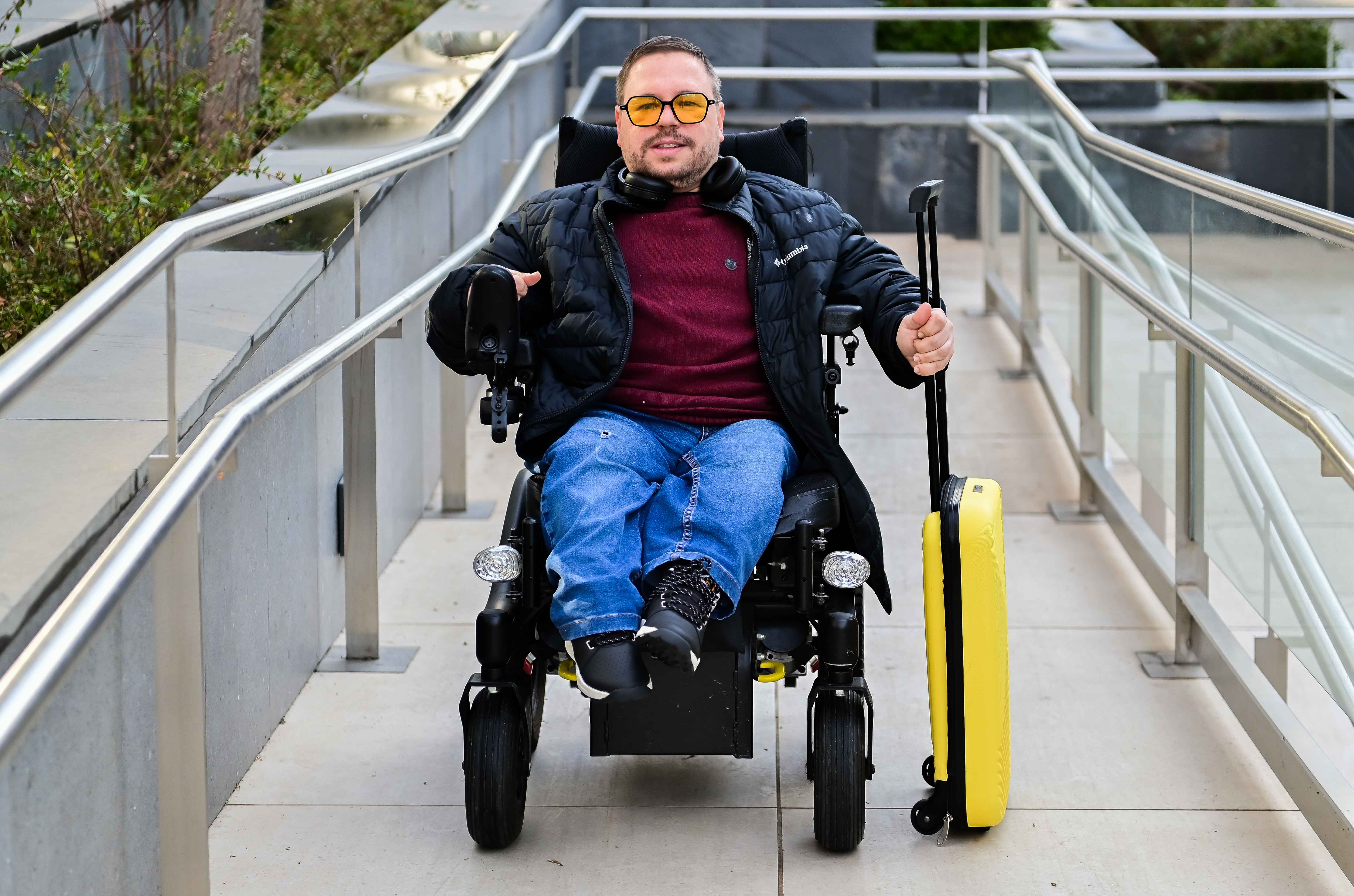
- One of three people in Spain, or about 14 million people, have accessibility needs because they have a disability or they are over the age of 65
- The manual provides instructions on how to ensure accessibility in customer service, communication, physical facilities, the organisation of events or occupational inclusion; it shows how to assess the degree of accessibility and provides good real examples from different tourist establishments
CaixaBank and ILUNION Accesibilidad have launched the guide ‘How to make tourist accommodation accessible'. Legal and functional requirements’ , the first manual that tackles accessibility in every part of the service that an establishment offers to its guests and clients, from the first click in the online booking until the check-out.
The document is was created with the aim of assisting hotels, tourist apartments, holiday cottages, hostals and other accommodations implement accessibility measures that can meet travellers' actual needs, whether they are disabled people, seniors or they have temporary limitations, and enable them to comply with current European and Spanish regulations.
The guide sets out the mandatory legal requirements and makes recommendations for enhancing the quality of the service beyond the legal requirements in order to improve the experience of guests and strengthen the competitiveness of the destination or establishment.
According to the INE, it is estimated that around 10% of the inhabitants of Spain have some type of disability, and 20% of the population is over the age of 65, which means that one of each three people in the country (about 14 million people) have accessibility needs.
The publication conceives accessibility as a chain that covers every phase of the trip: initial information, digital channels, booking, arrival, movement on the premises, use of rooms and common areas, participation in activities, interaction with staff, accessible events and final evaluation of the service.
Financing for accessibility
To support implementation in the sector, CaixaBank Hotels & Tourism, the business line through which CaixaBank leads the tourist market, will distribute this guide among its customers and will offer financing to enhance accessibility in tourist accommodation, with the aim of promoting investment aligned with regulations, innovation and the standards of the accessible tourism.
‘Accessible tourism is strategic for the sector since it broadens the base of potential consumers to disabled people and seniors, avoids seasonal variation and consolidates the reputation of establishments. It is not only a matter of complying with legislation: it is a matter of offering tourist experiences that are inclusive, safe and comfortable for all people, and of positioning establishments as competitive, socially responsible and of good quality', the director of CaixaBank Hotels &Tourism, David Rico, has pointed out.
The head of Territorial and Physical Environment Planning of ILUNION Accesibilidad, Tatiana Alemán, has emphasised that 'accessibility is a part of ESG criteria and of international intelligent tourism standards' and she has noted that 'it is essential to incorporate it in order to meet the needs of an increasingly diverse market that is aligned with social sustainability'.
Following on from this, the director of Social Projects of CaixaBank, Josep Parareda, has emphasised that 'the guide not only ensures fundamental rights, but also improves the quality of service and, thereby, consumer satisfaction'. ‘Accessibility is not incompatible with innovation, quality or design; it is a path of continuous improvement'.
For her part, the Managing Director of ILUNION Accesibilidad and director of Director of Customer Experience and Sales of ILUNION, Patricia Otero, has stressed that the company 'is working to ensure that every tourist accommodation can offer a really inclusive experience, with accessibility seen as a strategic value that improves the customer experience and strengthens the competitiveness of the sector'.
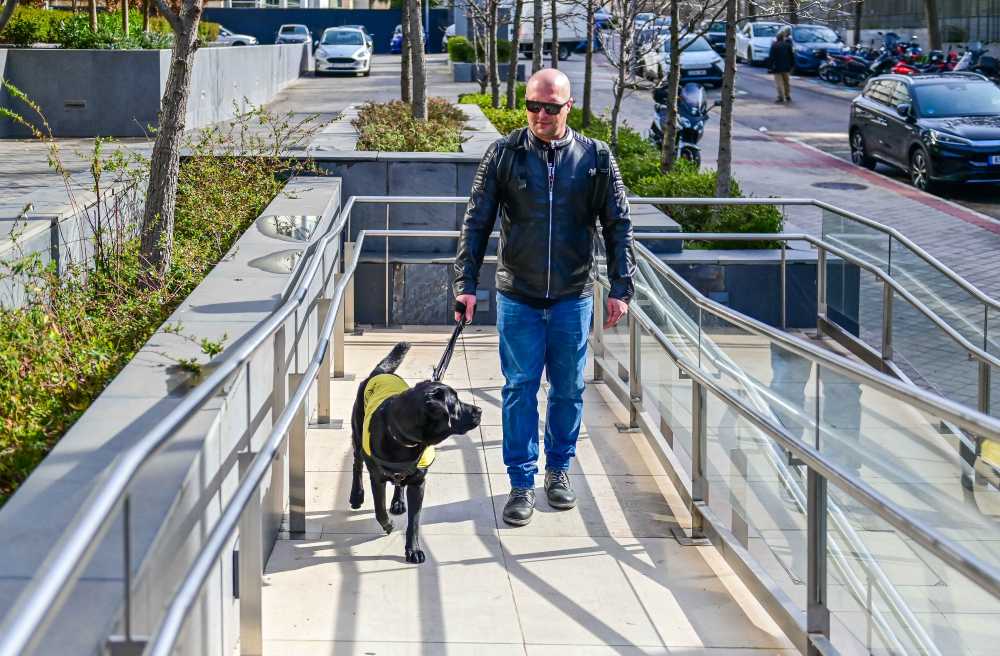
Guide to ensure accessibility
The guide is divided into different thematic sections that specify how to ensure accessibility in customer service, communication, physical facilities according to the criteria DALCO (ambulation, handling, orientation and communication), the organisation of events, internal occupational inclusion and management processes, in accordance with the UNE standard '178510 Intelligent Tourist Company (ETI). Requirements and recommendations for management and transformation’.
In addition to checklists for assessing the degree of accessibility of each area of management of the accommodation and highlighting good real examples of different tourist accommodations, the guide devotes an entire chapter to technological resources and useful products that can improve guests' autonomy.
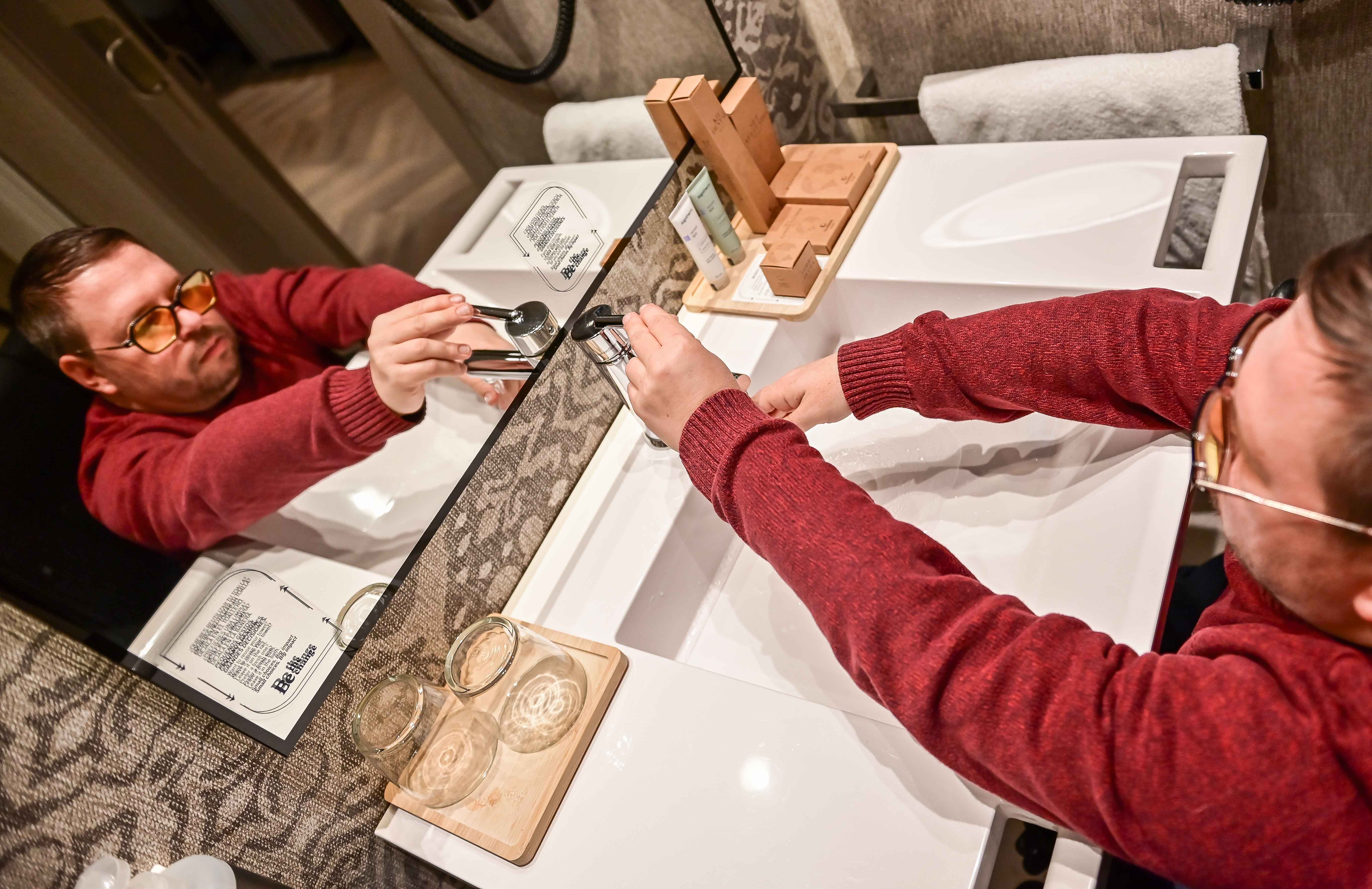
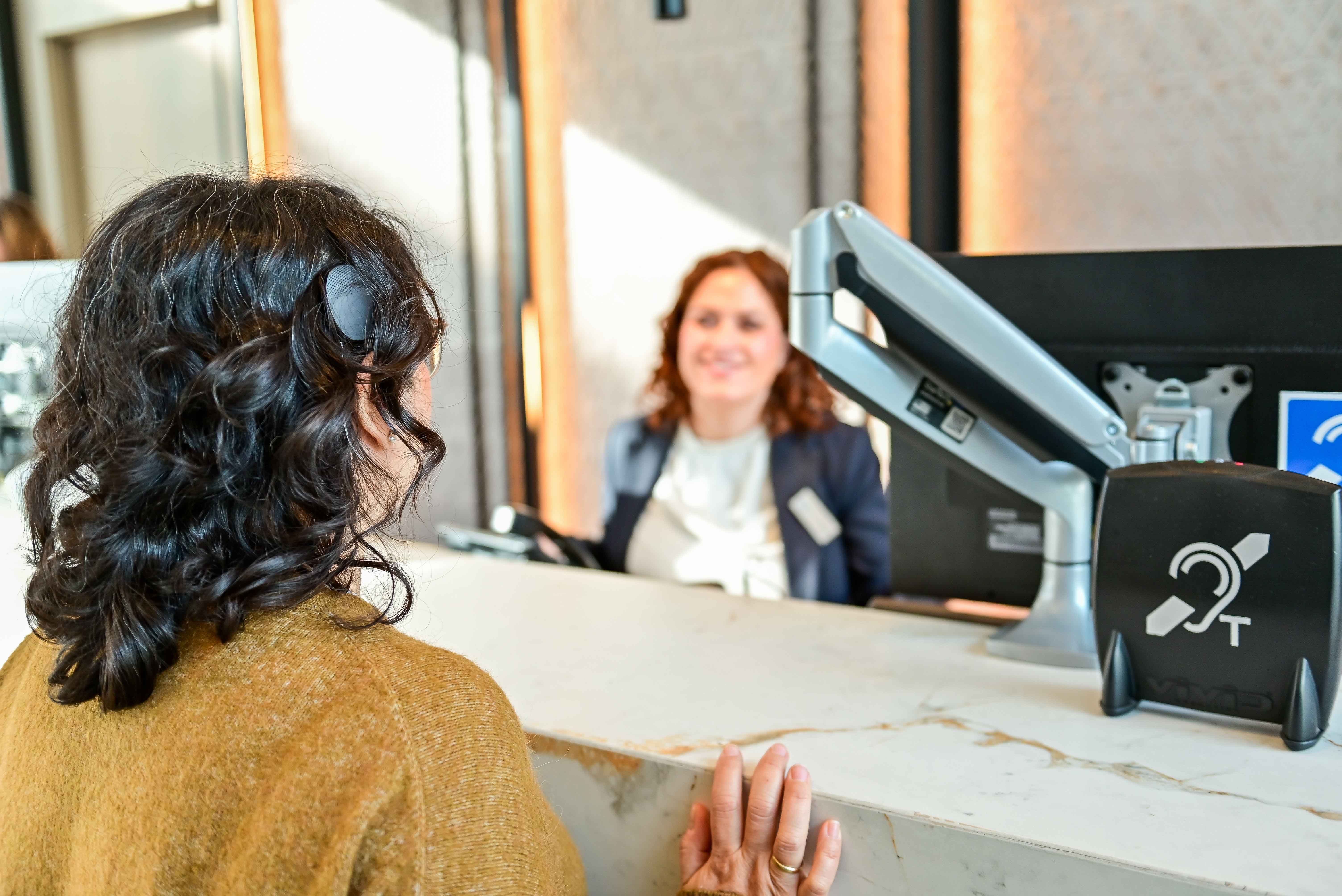
It provides information on matters such as magnet loops for people who have hearing aids or implants, the Navilens system, Visualfy technology, accessible domotics and useful products in bathrooms, for example.
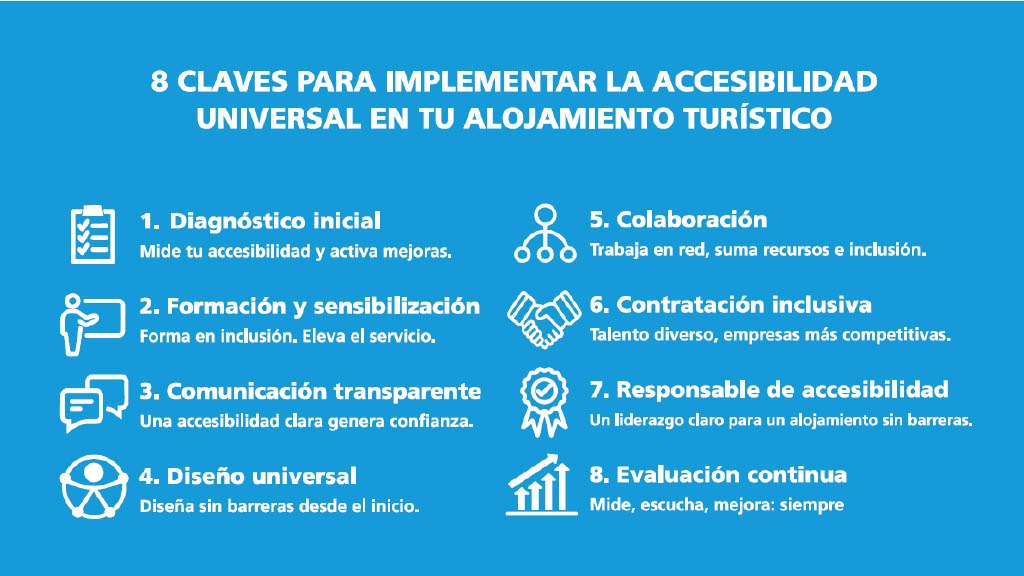
In addition, it sets out the essential steps for starting the process of transformation towards a fully accessible accommodation: initial diagnosis, training and awareness-raising, transparent communication of levels of accessibility, universal design in adaptations and new services, collaboration and work in a network, inclusive hiring, leadership, and evaluation and ongoing improvement of accessibility.
The Guide also emphasises the importance of training hotel staff and it has a specific section on the importance of occupational inclusion of disabled people with initiatives such as the Incorpora programme of the 'la Caixa' Foundation that helps people at risk of social exclusion to access employment.