


 Caixabank (Go to Home)
 Print page
25 September 2025, 08:00h
|
min read
CORPORATE
INNOVATION
International
CaixaBank and eight other European banks join forces to issue euro-denominated stablecoin
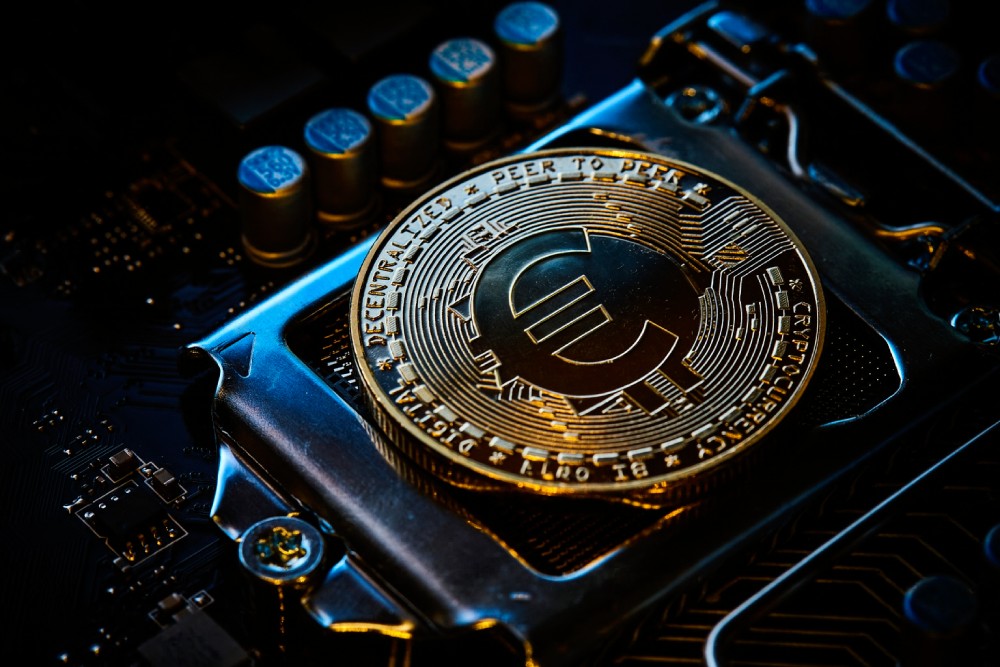
The stablecoin will be regulated by EU's "Markets in Crypto-Assets Regulation" (MiCAR).
The stablecoin will be regulated by EU's "Markets in Crypto-Assets Regulation" (MiCAR).
- The stablecoin seeks to contribute to the development of the ecosystem of digital payments in euros and provide a European option to the market of'stablecoins'
- In addition to CaixaBank, they are part of the ING initiative, Banca Sella, KBC, Danske Bank, DekaBank, UniCredit, SEB and Raiffeisen Bank International
CaixaBank has joined forces with eight other major European banks - ING, Banca Sella, KBC, Danske Bank, DekaBank, UniCredit, SEB and Raiffeisen Bank International – to launch a euro-denominated stablecoin, which will be designed in accordance with the European Union's Regulation on Cryptocurrency Markets (MiCAR). This digital payment instrument, leveraging blockchain technology, aims to become a trusted European payment standard in the digital ecosystem.
The stablecoin will provide near-instant, low-cost payments and settlements. It will enable 24/7 access to efficient cross-border payments, programmable payments, and improvements in supply chain management and digital asset settlements, which can vary from securities to cryptocurrencies.
Mariona Vicens, Head of Digital Transformation and Advanced Analytics at CaixaBank, pointed out that "technology is profoundly transforming the financial infrastructure and, in particular, standards on how to make payments and transactions. At CaixaBank, we have been leading the way when it comes to developing very early innovations that have subsequently contributed to the transformation of payment services, collaborating with authorities and regulators both in the field of retail and wholesale digital payments."
"Under that same vision", said Vicens, "we are joining a project that has managed to gather solid support from relevant banking entities. A project that also has high potential to add new support from other financial and technological players. We believe that the initiative can mark an important step in building a robust and reliable European digital payments ecosystem that strengthens Europe's strategic autonomy in the field of payments".
The stablecoin will be regulated by EU's "Markets in Crypto-Assets Regulation" (MiCAR), and is expected to be first issued in the second half of 2026. The stablecoin consortium, with the aforementioned banks as founding members, has formed a new company in the Netherlands, aiming to be licensed and supervised by the Dutch Central Bank as an e-money institution.
The consortium is open to additional banks joining, and a CEO is expected to be appointed in the near future, subject to regulatory approval.
The initiative will provide a real European alternative to the US-dominated stablecoin market, contributing to Europe's strategic autonomy in payments. Individual banks will be able to provide value added services, such as a stablecoin wallet and custody.


